

Balanced nutrition, shell quality, intestinal health, and stress resistance are shaping demand in modern poultry farming channels.
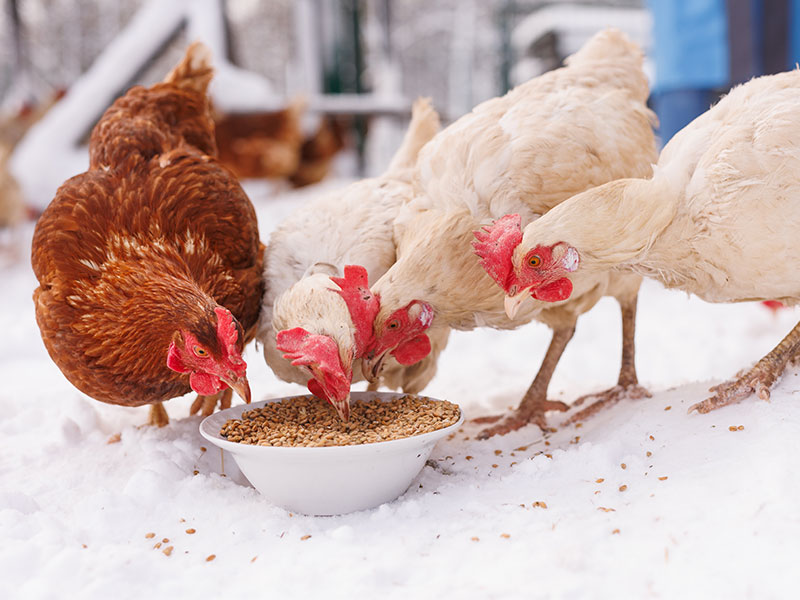
Poultry farming is becoming increasingly specialized, and producers are demanding nutrition support products that help maintain stable egg output, shell quality, flock vitality, and digestive balance. As farms scale production and face changing market pressure, nutrition programs need to support both performance and resilience. This creates opportunities for feed additive suppliers that can provide practical solutions for laying hens, broilers, ducks, and other poultry categories.
Egg production depends on a wide range of factors, including feed formulation, mineral balance, vitamin supply, intestinal condition, liver health, disease pressure, lighting, temperature, and daily management. When one part of the system becomes unstable, production can decline quickly. Products designed to support calcium utilization, oviduct health, toxin management, immunity, and digestive balance can help farmers reduce avoidable losses and maintain more consistent output.
Xingqiongmao International Trade (Henan) Co., Ltd supplies poultry feed additive products for channel partners who serve farms and regional distributors. The product direction includes egg production support, shell quality improvement, oviduct care, toxin decomposition, intestinal protection, liver and kidney support, and nutrition supplementation. These categories are especially relevant in markets where farms want visible improvements and reliable supply from professional partners.
Poultry producers often need products that are easy to apply and easy to integrate into existing feeding routines. Powder, granule, or liquid formats may be selected according to local preference, packaging standards, and farm conditions. For distributors, product clarity is important. A solution should have a clear application scenario, understandable benefits, and packaging that supports sales in local livestock, poultry, and aquaculture channels.
The poultry industry also places high value on prevention. Waiting until production drops or shell quality becomes poor can be costly. Better nutrition planning helps farms maintain flock condition before problems become severe. This is why many producers are building more complete support programs that combine nutrition, intestinal health, detoxification, and stress resistance.
Shell quality remains one of the most visible indicators of flock condition and is directly connected to product value in the market. Strong intestinal health supports nutrient absorption and helps birds respond better to changes in feed or environment. Liver support is important because metabolic pressure can increase during high production periods. Products that help manage toxins and digestive imbalance are valuable in regions where feed material quality may change by season.
Distributors prefer poultry solutions that can be positioned clearly for laying performance, shell strength, immunity, and recovery support. Customized labels and packaging help local partners build stronger market presence while maintaining consistent product sourcing. Reliable supply is critical because poultry farms often purchase according to production cycles and cannot wait for delayed replenishment. Technical communication helps farmers understand when to use a product and how to combine it with daily management practices.
The next stage of poultry nutrition will emphasize practical field results, safer supply chains, and flexible product presentation. Suppliers with broad product categories can help partners serve multiple customer segments through one coordinated purchasing channel. Shell quality remains one of the most visible indicators of flock condition and is directly connected to product value in the market. Strong intestinal health supports nutrient absorption and helps birds respond better to changes in feed or environment.
Liver support is important because metabolic pressure can increase during high production periods. Products that help manage toxins and digestive imbalance are valuable in regions where feed material quality may change by season. Distributors prefer poultry solutions that can be positioned clearly for laying performance, shell strength, immunity, and recovery support. Customized labels and packaging help local partners build stronger market presence while maintaining consistent product sourcing.
Reliable supply is critical because poultry farms often purchase according to production cycles and cannot wait for delayed replenishment. Technical communication helps farmers understand when to use a product and how to combine it with daily management practices. The next stage of poultry nutrition will emphasize practical field results, safer supply chains, and flexible product presentation. Suppliers with broad product categories can help partners serve multiple customer segments through one coordinated purchasing channel.
Shell quality remains one of the most visible indicators of flock condition and is directly connected to product value in the market. Strong intestinal health supports nutrient absorption and helps birds respond better to changes in feed or environment. Liver support is important because metabolic pressure can increase during high production periods. Products that help manage toxins and digestive imbalance are valuable in regions where feed material quality may change by season.
Distributors prefer poultry solutions that can be positioned clearly for laying performance, shell strength, immunity, and recovery support. Customized labels and packaging help local partners build stronger market presence while maintaining consistent product sourcing. Reliable supply is critical because poultry farms often purchase according to production cycles and cannot wait for delayed replenishment. Technical communication helps farmers understand when to use a product and how to combine it with daily management practices.
The next stage of poultry nutrition will emphasize practical field results, safer supply chains, and flexible product presentation. Suppliers with broad product categories can help partners serve multiple customer segments through one coordinated purchasing channel. Shell quality remains one of the most visible indicators of flock condition and is directly connected to product value in the market. Strong intestinal health supports nutrient absorption and helps birds respond better to changes in feed or environment.
Liver support is important because metabolic pressure can increase during high production periods. Products that help manage toxins and digestive imbalance are valuable in regions where feed material quality may change by season. Distributors prefer poultry solutions that can be positioned clearly for laying performance, shell strength, immunity, and recovery support. Customized labels and packaging help local partners build stronger market presence while maintaining consistent product sourcing.
Reliable supply is critical because poultry farms often purchase according to production cycles and cannot wait for delayed replenishment. Technical communication helps farmers understand when to use a product and how to combine it with daily management practices. The next stage of poultry nutrition will emphasize practical field results, safer supply chains, and flexible product presentation. Suppliers with broad product categories can help partners serve multiple customer segments through one coordinated purchasing channel.